
Onlays in Palm Beach
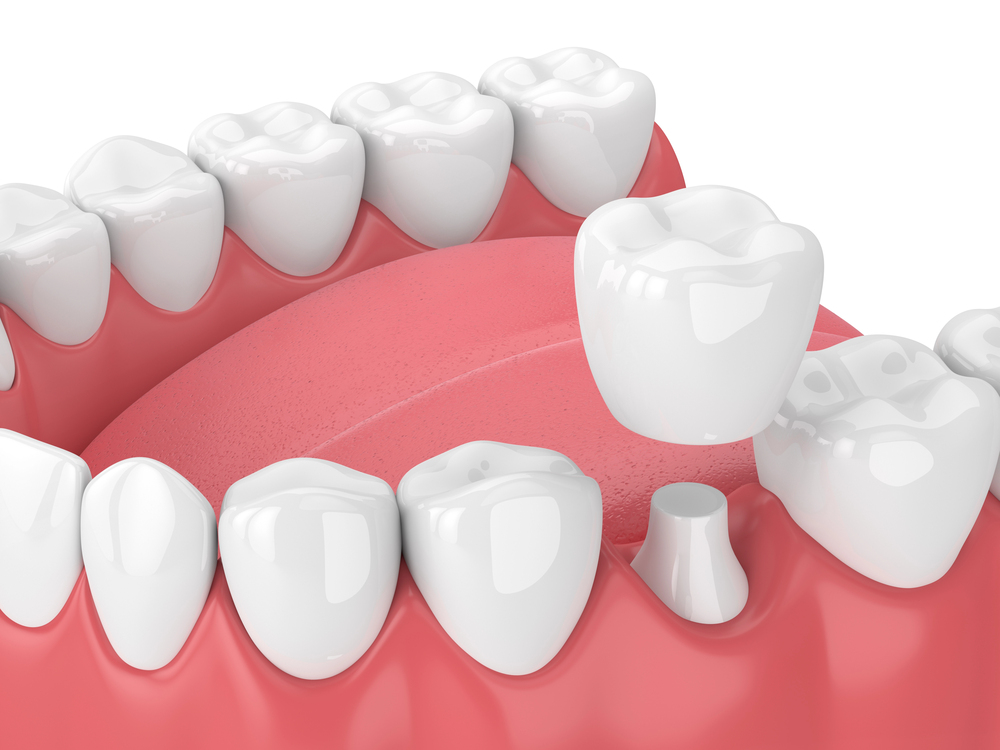
If you've been told a filling won't be enough for a damaged back tooth, but a full crown feels like more than you need, an onlay may be the middle ground you're looking for. At Family Dental Care, we regularly place onlays for patients from Palm Beach who want to keep as much of their natural tooth as possible while restoring strength and function. Our office is in nearby West Palm Beach, so care is a short trip from the island for an exam, treatment, or follow-up.
An onlay is a custom-made restoration that repairs a tooth with damage too extensive for a standard filling. It covers one or more of the tooth's cusps, the raised points on the chewing surface. Think of it as a partial crown. It replaces only the portion of the tooth that's damaged and leaves the healthy structure in place. Its close cousin, the inlay, fits within the cusps. We offer both and choose based on how much of the tooth needs support.
Onlays are often a good fit for molars and premolars with a large cavity, an old filling that has broken down, or a fractured cusp. We also see Palm Beach patients who notice a chipped edge while eating or feel a rough spot with their tongue. Because our team also treats cracked teeth and handles emergency dental appointments, we can evaluate a sudden break and walk you through whether an onlay, a crown, or another approach makes the most sense.
Your visit starts with a dental exam, where Dr. Michael Westcott or Dr. Sujay Trivedi looks closely at the affected tooth and the teeth around it. We check how much healthy structure remains, whether decay has reached deeper layers, and how your bite comes together. If a tooth has problems beyond what an onlay can address, such as an infected nerve, we'll explain that honestly. Because root canal therapy and crowns are part of what we do, we can plan the right sequence of care under one roof.
Most patients ages eight and up can be considered for an onlay, provided the tooth has enough sound structure to support one. Some patients are better served by a different option. A filling may work if the damage is small. A crown may be the better choice if the tooth is badly weakened. Our goal is to recommend the least invasive treatment that will actually hold up for you, and we'll take the time to answer your questions before anything begins.
The Onlay Process From Start to Finish
Treatment typically begins by numbing the area so you stay comfortable. We then remove the decay or the old, failing filling and shape the tooth so the onlay can seat securely. Next, we take a precise record of the prepared tooth so the restoration can be custom made to match its contours and your bite. While your permanent onlay is being made, we protect the tooth with a temporary restoration.
At your next appointment, we remove the temporary and check the fit of your final onlay. We confirm that it meets the tooth cleanly, sits comfortably against neighboring teeth, and feels right when you bite down. Once everything checks out, we bond it into place and make any small adjustments needed. Patients who feel anxious about dental work can ask us about oral sedation, which is available at our office.
Here's what patients can generally expect:
- A focused exam and clear explanation of your options before treatment
- Local anesthetic to keep the area numb during preparation
- A temporary restoration to protect the tooth between visits
- A final fitting and bite check before the onlay is bonded
Caring for Your Onlay at Home
After your onlay is placed, your tooth may feel a little sensitive for a short time, especially to temperature. Let us know if your bite feels high or uneven, since a quick adjustment can make a real difference in comfort. For everyday care, brush twice a day, floss around the restoration, and treat the tooth just as you would your natural teeth.
Regular visits matter too. Our dental hygienist can clean around the edges of your onlay during routine cleanings. At each exam, we check that it remains in good condition. If you grind or clench at night, ask about a night mouth guard, which can help protect your restoration and the rest of your teeth.
Insurance and Payment for Palm Beach Patients
We accept all major PPO insurance plans, and our team can help you understand how your coverage applies to an onlay before treatment begins. Coverage varies by plan, so we'll review your benefits with you to reduce surprises.
We also welcome self-pay patients. If you don't have insurance, ask us at your exam about the cost of your specific treatment. Whether you live on the island or are visiting family in Palm Beach, we're glad to see you. Call our West Palm Beach office to schedule your evaluation.