

Why choose us
Benefits of Onlays
Saves Natural Tooth
An onlay repairs only the damaged area, so we can keep more of your healthy tooth structure than a full crown would.
Strong, Lasting Repair
Onlays cover and protect the chewing surface of a back tooth that is too damaged for a standard filling.
Natural-Looking Results
We shape your onlay to fit your bite and blend in with the rest of your smile.
Care Under One Roof
Our general and cosmetic dentists handle everything from your exam to your final restoration in our West Palm Beach office.
Flexible Payment Options
We accept all major PPO insurance plans and welcome self-pay patients.
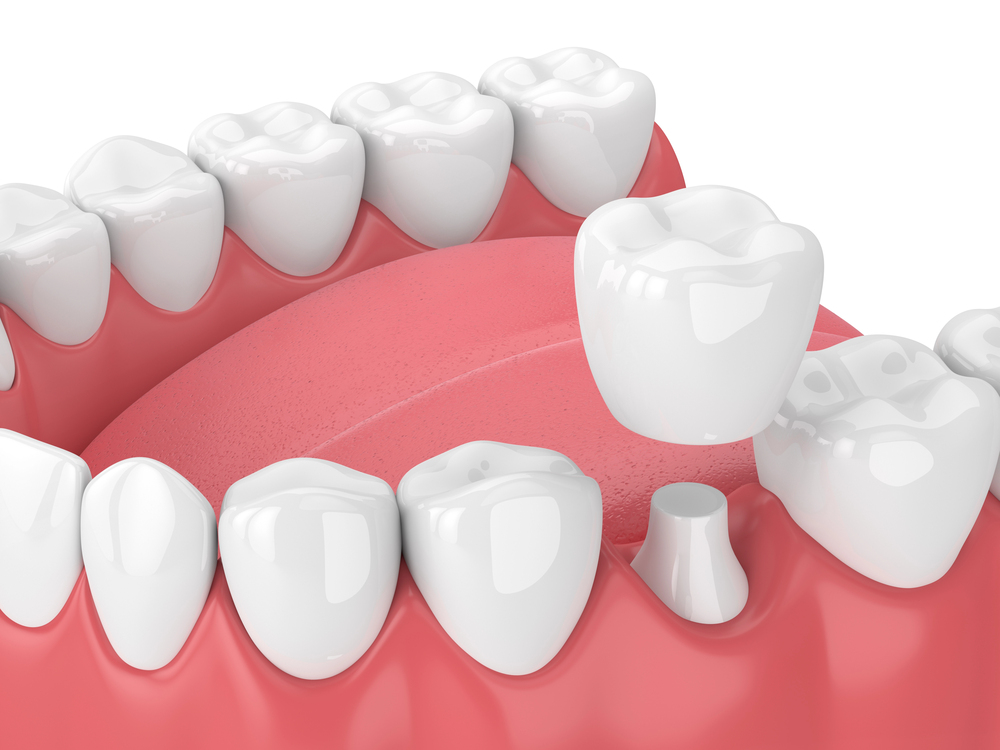
When a cavity or crack takes out one of the raised points on a back tooth, called a cusp, a standard filling often can't rebuild that corner well. At the same time, the damage may not be extensive enough to justify covering the whole tooth with a crown. An onlay fills that middle ground. It is a custom-made restoration that replaces the damaged part of the chewing surface, including one or more cusps, while leaving the healthy structure around it in place. At Family Dental Care in West Palm Beach, we use onlays to repair molars and premolars in a way that keeps as much of your natural tooth as possible.
An onlay is sometimes called a partial crown. It is crafted outside the mouth to match the exact shape of the area being repaired, then bonded permanently onto the tooth. Its close relative, the inlay, sits within the grooves between the cusps. An onlay extends over one or more of the cusps themselves. We offer both, so the choice comes down to where the damage is and how much of the tooth needs support.
Onlays tend to help patients in a few common situations. One is a large, aging filling that has started to break down or leak. Another is a back tooth that has chipped along its biting edge. A third is decay that has spread wider than a filling can reliably hold. Because our practice also treats cracked teeth and handles emergency appointments, we often see onlays come up after a patient arrives with a tooth that suddenly fractured while eating. In those cases, an onlay may restore the tooth without removing the sound enamel a crown would require.
The first step is an exam. Our dentists look closely at the tooth, check for cracks and decay, and review how your bite comes together. Sometimes a filling is enough. Other times the damage reaches deep enough that a crown, or root canal therapy followed by a crown, is the better long-term answer. We explain what we see and why we recommend one option over another, so you understand the reasoning before anything is scheduled.
Good candidates generally have healthy gums and a tooth with enough sound structure left to hold a bonded restoration. If gum disease is present, we usually address it first, since healthy gum tissue gives any restoration a stronger foundation. Onlays are part of our broader restorative dentistry. That lets us plan them alongside other work you may need, whether that's treating a neighboring cavity or mapping out a larger plan for several teeth.
How We Prepare and Place an Onlay
To place an onlay, we numb the area, remove decay or the weakened portion of the old filling, and shape the tooth so the onlay will fit securely. Next we take a detailed impression of the prepared tooth. This guides the creation of a restoration designed to fit your tooth's contours and your bite. A temporary covers the tooth in the meantime.
Once your onlay is ready, we remove the temporary and check the fit and how your teeth meet. We also confirm the color blends with your surrounding teeth before bonding the onlay into place. Patients who feel anxious about dental work can ask us about oral sedation, which we offer to help make longer appointments feel more manageable.
Patients often weigh onlays against other options for a few reasons:
- They preserve more natural tooth than a full crown
- They reinforce weakened cusps that a filling may not support
- They are custom-shaped to restore your natural chewing surface
- They are bonded to the tooth for a secure, sealed fit
Aftercare and Long-Term Results
It's normal to notice some mild sensitivity for a short time after an onlay is bonded, especially to cold. Day to day, you care for an onlay the same way you care for your natural teeth. Brush twice daily, clean between your teeth, and keep up with routine cleanings and exams. Those visits let our hygienist and dentists check the edges of the onlay, where new decay can start if plaque builds up.
How long an onlay lasts depends on your habits and bite. If you grind or clench at night, we may suggest a custom night guard to protect your onlay and the rest of your teeth from that extra force. We also encourage patients to avoid chewing ice or other very hard objects. If an onlay ever feels loose or your bite feels off, contact us. We offer emergency dental appointments for problems that can't wait.
Insurance, Payment, and Scheduling Your Visit
We accept all major PPO insurance plans, and many plans include some coverage for restorations like onlays. Before treatment, we can review your benefits with you so you know what to expect. We also welcome self-pay patients and are happy to talk through costs at your consultation.
Our team, led by Dr. Michael Westcott and Dr. Sujay Trivedi, cares for patients ages eight and up from West Palm Beach, Palm Beach, and Palm Beach Gardens. If you have a broken filling, a chipped back tooth, or a tooth that just doesn't feel right when you bite, call our office to schedule an exam. We'll take a careful look, answer your questions, and help you decide whether an onlay is the right way to restore your smile.
The process
What to expect
- 1
Exam and Consultation
We examine your tooth, talk through your options, and confirm whether an onlay is the right fit.
- 2
Preparing Your Onlay
We remove the damaged area and create an onlay shaped to restore your tooth's surface.
- 3
Placement and Aftercare
We bond your onlay in place, check your bite, and keep it healthy with regular cleanings and exams.